Why Casino Floors Echo Human Emotion
Why Casino Floors Echo Human Emotion
Stepping onto a casino floor is an immersive experience, a symphony of flashing lights, tantalizing jingles, and the murmur of human voices. It’s more than just a place to play games; it’s a meticulously designed environment that serves as a powerful mirror, reflecting and amplifying the full spectrum of human emotion. From the soaring highs of triumph to the quiet despair of defeat, the casino floor is a vibrant, pulsating stage where human psychology plays out in real-time, making it a fascinating study in behavior, risk, and reward.
The immediate impact of a casino is largely sensory. The carefully orchestrated sounds – the clatter of chips, the whirring of slot machines, the celebratory bells of a jackpot – create a constant, stimulating backdrop. Visually, the vibrant, often hypnotic lights draw the eye, while the absence of windows and clocks helps to create a timeless bubble, disconnecting patrons from the outside world. This deliberate sensory overload is a fundamental aspect of casino design psychology, working to heighten arousal, blur the perception of time, and encourage prolonged engagement. It’s an environment crafted to keep the brain engaged and excited, subtly influencing decision-making processes and fueling the ever-present anticipation.
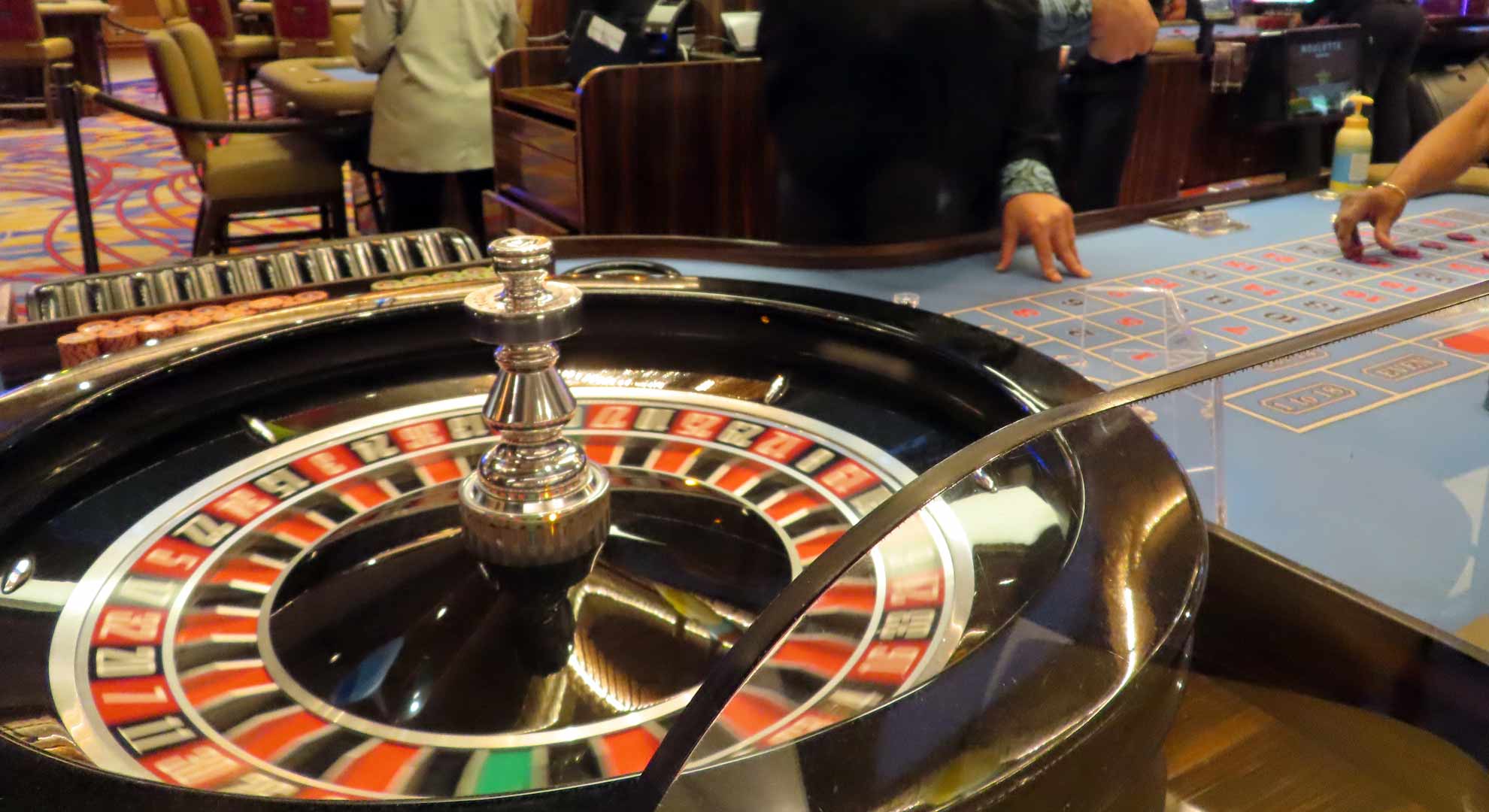
At the heart of the emotional echo is the inherent thrill of anticipation. Every spin of the roulette wheel, every turn of a card, every pull of a slot machine lever carries with it the potent promise of reward. This pre-win excitement, the moment of pure hope before an outcome is revealed, is a powerful driver. It taps into our innate desire for success and our brain's dopamine reward system. Even "near misses" – when a slot machine reel lands just shy of a winning combination – are expertly utilized to maintain this hopeful state, suggesting that a win is just around the corner and reinforcing the belief that continued play will eventually yield results. This constant dance between hope and possibility is a core element of the gambling emotions that permeate the air.
However, for every surge of excitement, there is the inevitable counterpoint of loss. The casino floor is equally adept at echoing the disappointment, frustration, and even despair that accompany a losing streak. Here, the human psychology of loss aversion becomes acutely visible. Individuals may experience a strong urge to chase losses, falling prey to the sunk cost fallacy – the irrational belief that because they’ve already invested time and money, they must continue to play to recoup their losses. This cycle of hope, loss, and the renewed desire to win creates a powerful emotional loop, where the highs feel higher and the lows can feel profoundly draining. Observing the faces around a poker table or the subtle slump of a shoulder at a blackjack table provides a raw glimpse into these shifting emotional states.
Beyond the individual experience, the casino floor is also a fascinating social crucible. While some players maintain a stoic, solitary focus, others engage in lively chatter, celebrating collective wins or commiserating over shared losses. The camaraderie at a craps table, for instance, can be palpable, as players collectively root for favorable rolls, creating a shared emotional experience. Conversely, the isolation felt by a player on a long losing streak, surrounded by the cacophony but feeling utterly alone in their misfortune, highlights another facet of human behavior in casinos. These social dynamics add another layer to the emotional tapestry, demonstrating how shared experiences, even in an inherently individual pursuit, can amplify feelings.
The illusion of control and cognitive biases are also on full display. Players develop superstitions, believe in "hot streaks" or "cold streaks," or engage in behaviors they believe will influence the outcome, despite the inherent randomness of the games. From blowing on dice to rubbing a machine for luck, these rituals are a testament to our brain's tendency to seek patterns and exert control in uncertain situations. The gambler's fallacy, the belief that past events influence future independent events (e.g., after a run of reds in roulette, black is "due"), is a common sight. These fascinating quirks of human nature gambling further contribute to the unique emotional landscape, where rationality often takes a backseat to hope and perceived influence.
Even the seemingly mundane elements of the casino environment contribute to this emotional resonance. The continuous flow of complimentary drinks can lower inhibitions, making players more susceptible to the intense emotions of winning and losing. The labyrinthine layouts, designed to disorient and encourage further exploration, mean that leaving is never as straightforward as entering, subtly extending time spent on the floor. For those looking to dip their toes into this world without immediate commitment, discovering offers like an m88 casino no deposit bonus can be a compelling entry point, allowing a glimpse into the emotional landscape without initial financial risk, highlighting how even the entry mechanisms are designed to entice and engage.
In conclusion, casino floors are far more than mere entertainment venues. They are masterfully engineered psychological environments where human desires, fears, hopes, and vulnerabilities are played out and amplified. Every flash, every sound, every win, and every loss contributes to an intricate emotional impact of casinos, creating an undeniable echo of the human spirit. It is this profound connection to our deepest emotional states that truly explains why, for centuries, the allure of the casino experience has remained so powerful, making its floors a timeless reflection of the human condition.